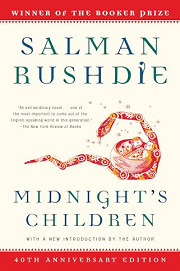
Midnight's Children by Salman Rushdie

Born at the stroke of India’s independence, a boy discovers his life is tied to a nation’s destiny. Sweeping and magical, Midnight’s Children blends intimate storytelling with grand history to show how personal myths can mirror a country’s soul.

Have you read this book? Share what you liked (or didn’t) and get personalized recommendations.

Start or resume Shelf Talk
Love Midnight's Children but unsure what to read next?

These picks are popular with readers who enjoyed this book. Possible spoilers below.

In Midnight's Children, did you enjoy mythic-scale magical realism that fuses private lives with national history?

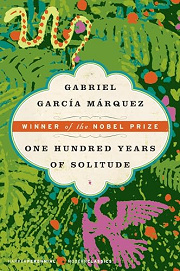
One Hundred Years of Solitude by Gabriel García Márquez

If Saleem’s midnight birth, his telepathic congress of children, and those cumin-scented pickle jars turning memory into myth won you over, you’ll love how Macondo’s Buendía clan lives under omens and wonders—Remedios the Beauty drifting into the sky, the insomnia plague, yellow butterflies trailing forbidden love. Like Saleem’s life mirroring India’s upheavals, the Buendías’ generations refract a whole nation’s destiny, right down to Melquíades’s parchments that rewrite the past.

In Midnight's Children, did you enjoy a confessional, possibly untrustworthy narrator whose version of history makes you read between the lines?

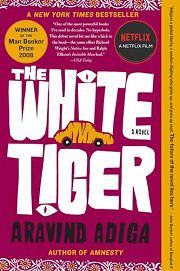
The White Tiger by Aravind Adiga

If you relished how Saleem warns you his memory is full of cracks even as he insists on shaping India’s story around himself, Balram’s letters to the Chinese Premier will scratch that same itch. His slick, self-justifying confession—chauffeur, murderer, entrepreneur—twists modern India’s rise much like Saleem bends the Emergency to his own epic. You’ll find the same intoxicating mix of bravado, dark humor, and doubt about what’s true.

In Midnight's Children, did you enjoy lyrical, time-scrambling storytelling that unveils family secrets out of order?

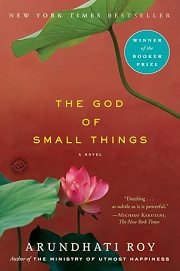
The God of Small Things by Arundhati Roy

If the hopscotch chronology of Saleem’s tale—jumping from the perforated sheet to the Sundarbans to the pickle factory—pulled you in, Roy’s mosaic of Rahel and Estha’s childhood will do the same. The narrative loops through Kerala’s riverbanks, Ammu and Velutha’s forbidden love, and the day “when things can change,” letting meaning bloom gradually in repeated images and phrases, much like Rushdie’s motifs gather power across time.

In Midnight's Children, did you enjoy a decades-spanning, nation-mirroring life story told with audacious scale?

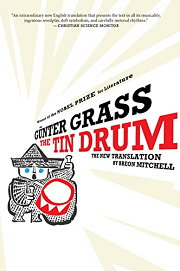
The Tin Drum by Günter Grass

If you admired how Saleem’s body and fate echo India’s convulsions—from Partition to the Emergency—meet Oskar Matzerath, who wills himself to stop growing and shatters glass with his scream while drumming through Germany’s 20th century. Like Saleem’s telepathy and nose, Oskar’s drum and voice are instruments for turning personal history into national allegory, blending carnival grotesque with sweeping historical reach.

In Midnight's Children, did you enjoy satirical supernatural visitations used as razor-sharp political allegory?

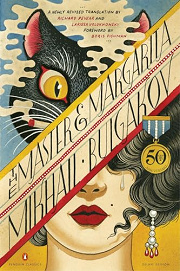
The Master and Margarita by Mikhail Bulgakov

If Parvati-the-witch, the Midnight’s Children’s uncanny gifts, and Saleem’s sly satire of the Emergency delighted you, Bulgakov’s Devil-in-Moscow will feel like kin. Woland and his cat Behemoth wreak havoc on bureaucrats, while Margarita’s night flight and the Pontius Pilate chapters braid fable with critique. It’s the same trick Rushdie pulls—using the supernatural to expose earthly power, hypocrisy, and moral compromise.