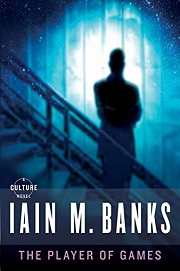
The Player Of Games by Iain Banks

A master strategist from a utopian future is lured into a ruthless empire’s high-stakes game—where victory means power and defeat could cost far more than pride. As rules twist and loyalties fray, the contest becomes a mirror for civilization itself. The Player Of Games melds razor-sharp politics with breathtaking imagination.

Have you read this book? Share what you liked (or didn’t) and get personalized recommendations.

Start or resume Shelf Talk
Love The Player Of Games but unsure what to read next?

These picks are popular with readers who enjoyed this book. Possible spoilers below.

In The Player Of Games, did you enjoy a high-stakes competition where mastery of a game decides futures and moral lines blur?

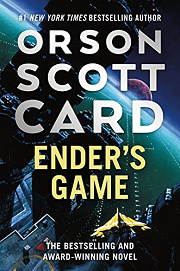
Ender's Game by Orson Scott Card

If you loved following Gurgeh as he’s pushed by Special Circumstances onto the board of Azad—where every move can upend an empire—you’ll click with the way Ender’s simulated "games" at Battle School secretly determine the fate of worlds. Like Gurgeh’s final match against Emperor Nicosar, Ender’s climactic "exercise" forces him to confront what victory really costs, and whether winning on someone else’s terms is worth the price.

In The Player Of Games, did you enjoy navigating imperial courts with every move read as politics?

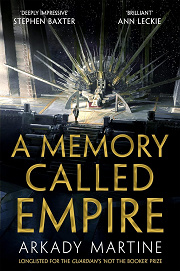
A Memory Called Empire by Arkady Martine

Gurgeh’s careful, performative play at the Azadian court—reading subtext at banquets, baiting rivals, and surviving the Emperor’s scrutiny—maps perfectly onto Ambassador Mahit Dzmare’s tightrope walk inside the Teixcalaanli Empire. Where Gurgeh must interpret Azad as a living language of power, Mahit deciphers poetry, etiquette, and coded intrigue to keep her small polity from being swallowed whole. If the tense receptions and calculated provocations around Gurgeh’s matches hooked you, the palace maneuvering here will feel deliciously familiar.

In The Player Of Games, did you enjoy a society-vs-society thought experiment about what a just civilization looks like?

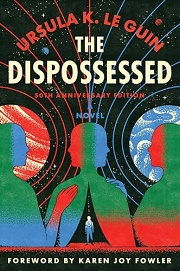
The Dispossessed by Ursula K. Le Guin

Banks uses Azad as an x-ray of empire while the Culture hovers as a moral foil—think of how Gurgeh, Flere-Imsaho, and the GCU Limiting Factor expose what the game’s cruelty says about its society. In Le Guin’s classic, physicist Shevek moves between an anarchist world and a capitalist one, and the story turns your fascination with Culture-versus-Azad comparisons into its central engine. If the philosophical aftertaste of that final reveal on Azad’s nature stayed with you, The Dispossessed offers that same thoughtful, bracing debate about power, freedom, and the societies we build.

In The Player Of Games, did you enjoy outsiders manipulating a 'less advanced' culture for strategic ends?

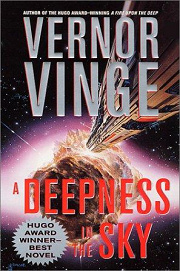
A Deepness in the Sky by Vernor Vinge

If the revelation that Special Circumstances engineered Gurgeh’s journey—and used Azad’s own rules against it—fascinated you, Vinge’s novel will hit the same nerve. Competing human factions embed themselves around the "Spiders," nudging a younger civilization toward outcomes that serve distant powers. The slow-burn stakes, moral compromises, and chilling pragmatism echo the Culture’s hands-off-on-paper, hands-on-in-practice approach that shadowed every one of Gurgeh’s moves.

In The Player Of Games, did you enjoy soft-focus worldbuilding that foregrounds culture, language, and diplomacy over tech specs?

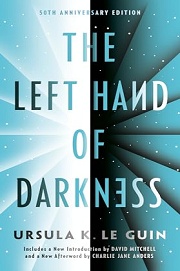
The Left Hand Of Darkness by Ursula K. Le Guin

Much like how The Player of Games prioritizes Azad’s culture, ritual, and social logic over gadgetry—the game as a lingua franca of power—Le Guin centers etiquette, myth, and winter-bound survival on Gethen. If you appreciated how Gurgeh had to understand the Azadians’ values to play at all (not just their technology), Genly Ai’s mission—navigating honor, custom, and shifting pronouns—offers that same immersive, culturally rich challenge.